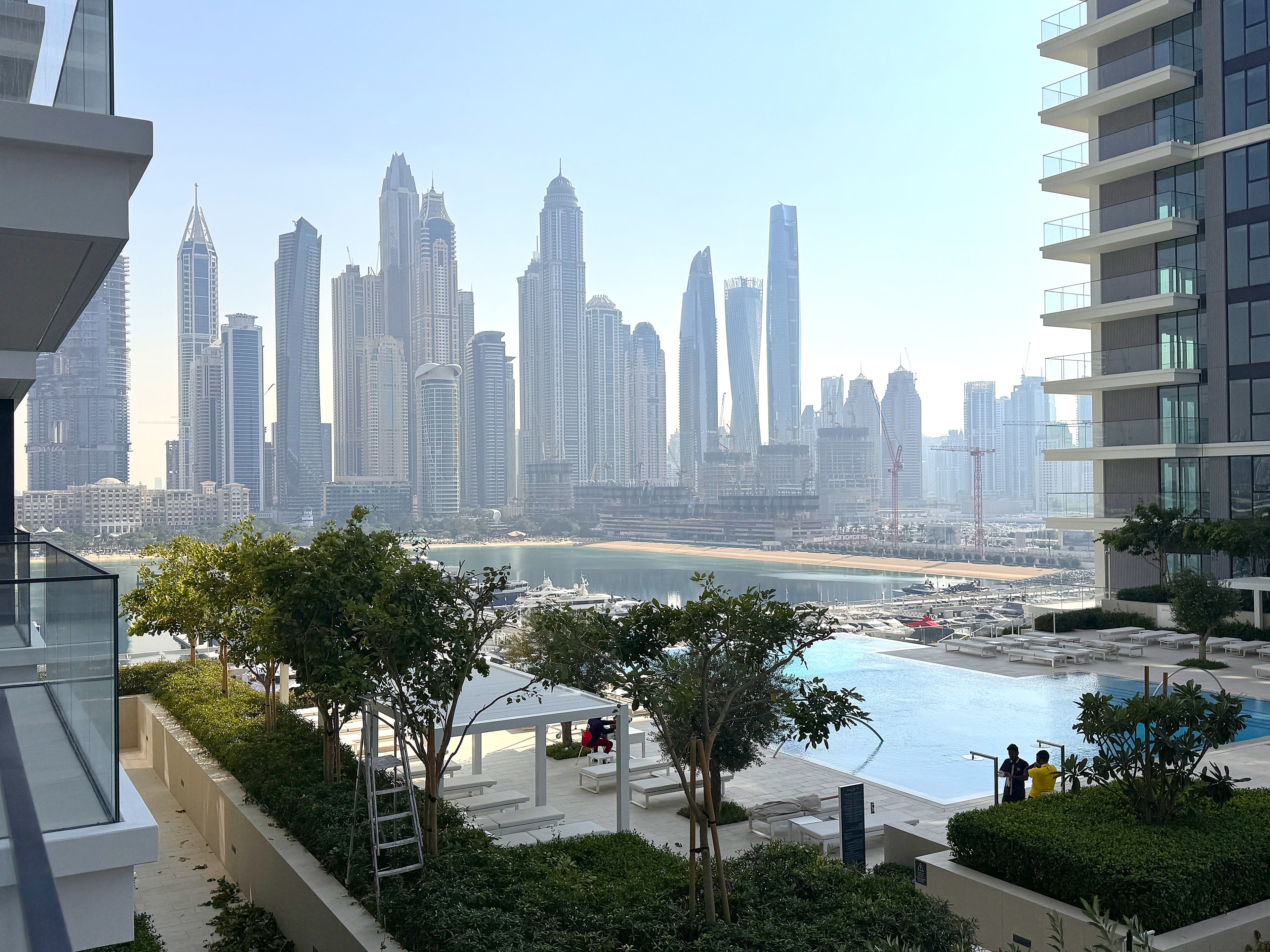
Dubai real estate investment has become one of the most attractive options for foreign investors looking for international exposure, rental income, lifestyle value, and long-term capital growth. Dubai offers a dynamic property market, modern infrastructure, strong global appeal, and a business-friendly environment that continues to attract buyers from different regions.
For foreigners, investing in Dubai property can be appealing, but the decision should not be based only on market popularity. Investors need to understand what they can buy, how the process works, which areas may fit their objectives, what risks should be reviewed, and whether tax, accounting, or ownership structure considerations may apply.
This guide explains what foreign investors should know about Dubai real estate investment in 2026, from property ownership and location selection to ROI, taxes, company structures, and professional guidance.
Quick Answer: Can Foreigners Invest in Dubai Real Estate?
Yes, foreigners can invest in Dubai real estate in designated areas where foreign ownership is permitted. The UAE Government portal states that expatriates and foreign nationals may acquire freehold ownership rights over property in specific areas, subject to applicable rules and regulations.
However, the ability to buy is only the first part of the decision. A successful Dubai real estate investment depends on choosing the right property, understanding the area, reviewing ownership costs, evaluating rental demand, and aligning the investment with the buyer’s long-term goals.
Foreign investors should approach the market with a clear strategy rather than relying only on general market appeal.
Why Dubai Attracts Foreign Real Estate Investors
Dubai attracts foreign investors because it combines several advantages in one market. The city is internationally connected, business-friendly, modern, and positioned as a global lifestyle and investment destination.
Many foreign buyers are drawn to Dubai because of its infrastructure, quality of life, safety, international population, and strong rental demand. The city attracts entrepreneurs, professionals, families, high-net-worth individuals, and investors who want exposure to a market outside their home country.
Dubai is also attractive because it offers different types of real estate opportunities. Investors can consider luxury waterfront properties, central apartments, family communities, emerging districts, ready units, or off-plan developments. This variety allows investors to choose a strategy based on income, appreciation, lifestyle, or portfolio diversification.
However, investors should remember that a strong market does not automatically make every property a strong investment. The quality of the decision matters more than the popularity of the destination.
What Foreign Investors Can Buy in Dubai
Foreign investors can buy property in designated freehold areas in Dubai, subject to the applicable ownership rules. However, the decision should not stop at eligibility. Buyers need to understand whether the property, location, ownership route, and long-term strategy are aligned before making a commitment.
For general official information on real estate ownership and registration rules, buyers can also refer to the Dubai Land Department.
From an investor perspective, the most important point is not only whether a property is available to foreign buyers. The more important question is whether the property fits the investor’s objective.
A foreign buyer should review the area, property type, developer reputation, ownership costs, rental demand, resale potential, and long-term strategy before committing to a purchase.
The legal possibility to buy should be seen as the starting point, not the full investment decision.
Foreign buyers who want to understand the practical steps, documentation, costs, and transaction process can also read our guide on how to buy property in Dubai.
Key Factors Foreign Investors Should Review Before Buying
Before making a Dubai real estate investment, foreign buyers should review several key factors.
The first factor is location. A property’s area can influence rental demand, resale liquidity, tenant profile, capital appreciation, and long-term performance.
The second factor is property type. Apartments, villas, townhouses, luxury units, ready properties, and off-plan projects can all perform differently. Each option has its own risk profile and investment logic.
The third factor is developer or seller quality. For off-plan properties, developer reputation and delivery history are especially important. For ready properties, building condition, maintenance, service charges, and tenant status should be reviewed carefully.
The fourth factor is ownership cost. Investors should not evaluate only the purchase price. They should also consider ongoing costs, service charges, management needs, financing where applicable, and future resale costs.
Finally, foreign investors should review their own situation. Tax residency, rental income treatment, ownership structure, and future relocation plans can all influence the broader investment picture.
Choosing the Right Area as a Foreign Investor
Area selection is one of the most important decisions in Dubai real estate.
Different areas serve different investor profiles. Dubai Marina may appeal to buyers looking for waterfront lifestyle and strong rental demand. Business Bay may be suitable for investors who want central positioning and access to a business-oriented district. Palm Jumeirah may attract buyers focused on luxury, scarcity, and long-term asset quality. Jumeirah Village Circle may be considered by investors looking for accessibility and rental demand at a more approachable entry level.
Emerging areas can also be attractive, but they require more careful analysis. Their future performance may depend on infrastructure, community development, developer quality, and long-term demand.
Foreign investors should avoid choosing an area only because it is popular. A good area for one investor may not be the right area for another. The decision should be based on objective, budget, risk tolerance, and investment timeline.
ROI and Rental Income Considerations
Rental income is one of the main reasons foreign investors consider Dubai properties. However, rental potential should always be analyzed realistically.
A property may look attractive because of advertised rental expectations, but the real return depends on purchase price, service charges, vacancy risk, tenant demand, furnishing, maintenance, and management costs.
This is why investors should distinguish between projected income and net return. The strongest investment decision is not based only on what a property might generate in an ideal scenario, but on what it can realistically produce after costs and market conditions are considered.
For foreign investors who are not based in Dubai, rental strategy is especially important. Short-term rentals and long-term rentals can serve different goals, but they also involve different management needs and risk profiles.
A strong Dubai real estate investment should be evaluated as a complete financial decision, not only as a property purchase.
Tax and Ownership Structure Considerations
Foreign investors should also consider the broader tax and ownership structure connected to their investment.
Dubai’s property environment may be attractive, but this does not automatically remove every tax or reporting consideration for a foreign buyer. An investor’s tax residency, ownership structure, rental income, and home-country obligations may all influence the final financial outcome.
Some investors may buy personally. Others may consider company ownership, especially if they are building a larger portfolio, involving multiple shareholders, or connecting the property investment with broader business plans.
There is no universal answer. Personal ownership may be simpler in some cases, while company ownership may be relevant in others. The decision should be reviewed before purchase, not after.
This is where professional accounting, tax, and company formation advice may become important, especially for international investors with cross-border obligations.
For a deeper explanation of ownership costs, rental income, tax residency, and investment structure, foreign investors can also read our guide on Dubai property taxes.
Buying Personally or Through a Company
One of the most common questions foreign investors ask is whether they should buy property personally or through a company.
Personal ownership may be suitable for individual buyers who want a more straightforward structure, especially when purchasing one property for lifestyle use, relocation, or investment.
Company ownership may be considered when the investor wants a more structured investment model. This can be relevant for larger portfolios, multiple shareholders, rental income management, asset planning, or long-term business structuring.
However, buying through a company also requires proper planning. The company structure, accounting obligations, tax implications, documentation, and transaction route should all be reviewed before the property is purchased.
For foreign investors, the best approach is to align the ownership structure with the investment objective from the beginning.
Risks Foreign Investors Should Consider
Dubai offers strong opportunities, but foreign investors should also understand the risks.
One common risk is choosing the wrong area. A property may look attractive on paper, but location, tenant demand, resale liquidity, service charges, and community quality determine long-term performance.
Off-plan properties carry additional risks related to delivery timelines, developer reputation, and market conditions at completion. Ready properties may involve risks related to building condition, existing tenants, service charges, or resale potential.
Foreign investors should also avoid assuming that Dubai’s market strength applies equally to every project. Property-specific analysis is essential.
Why Local Guidance Matters for Foreign Investors
For foreign investors, local guidance can make a significant difference.
Buying property in another country requires more than browsing available units. Investors need to understand the market, compare areas, evaluate property quality, review risks, and make sure the opportunity aligns with their objectives.
Arena Properties can support foreign investors with property selection, area analysis, developer evaluation, and real estate investment guidance. This helps buyers understand not only what is available, but which opportunities make sense from a long-term investment perspective.
For investors who also need clarity around tax, accounting, company ownership, or business setup, specialist advice can be coordinated where relevant. This creates a more complete view of the investment before a decision is made.
The goal is not only to buy property in Dubai, but to make a decision that is informed, structured, and aligned with the investor’s long-term strategy.
Common Mistakes Foreign Investors Make
One common mistake is buying only because Dubai is popular. A strong market can create opportunities, but it does not make every project or unit suitable.
Another mistake is focusing only on price. A lower purchase price does not automatically mean a better investment if the location, demand, service charges, or resale potential are weak.
Some investors ignore ownership costs. Service charges, maintenance, furnishing, vacancy periods, and management needs can all affect net returns.
Another common mistake is failing to review tax residency or ownership structure before purchase. For foreign investors, these considerations can influence the broader investment outcome.
Finally, many buyers do not define their objective clearly. A property bought for rental income should be evaluated differently from one bought for lifestyle use, capital appreciation, relocation, or portfolio growth.
(FAQ) Frequently Asked Questions about Dubai real estate investment
Can foreigners invest in Dubai real estate?
Yes. Foreigners can invest in Dubai real estate in designated areas where foreign ownership is permitted, subject to applicable rules and procedures.
Is Dubai real estate investment good for foreigners?
Dubai can be attractive for foreign investors because of international demand, modern infrastructure, lifestyle appeal, and diverse property opportunities. However, success depends on choosing the right property and strategy.
What should foreigners check before buying property in Dubai?
Foreign investors should review location, property type, developer reputation, ownership costs, rental demand, resale potential, tax residency, and ownership structure.
Can foreigners buy freehold property in Dubai?
Foreign nationals and expatriates may acquire freehold ownership rights in specific areas, subject to the applicable rules and regulations.
Should foreign investors buy property personally or through a company?
It depends on the investor’s objective, tax residency, portfolio plans, and ownership structure. Personal ownership may be simpler, while company ownership may be relevant for structured investments.
Do foreign investors need local guidance?
Local guidance is highly useful because foreign investors need to understand areas, property quality, developer reputation, rental demand, ownership costs, and long-term strategy before buying.
Dubai real estate investment remains a strong option for foreign investors who want exposure to an international property market with long-term potential. Dubai offers a wide range of opportunities, from established residential communities to luxury developments, emerging areas, ready properties, and off-plan projects.
However, investing successfully requires more than market enthusiasm. Foreign buyers should understand what they can buy, how the process works, which areas match their objectives, what risks should be reviewed, and whether tax or ownership structure considerations apply.
With the right strategy and professional guidance, Dubai real estate investment can become a structured, informed, and long-term opportunity for international investors.