Investing in Dubai real estate has become an increasingly attractive option for international investors looking for higher returns, tax efficiency, and exposure to a rapidly growing market. Over the past decade, Dubai has transformed from a speculative destination into a structured, mature real estate hub backed by strong economic fundamentals.
In 2026, the market continues to benefit from global demand, a favorable business environment, and a growing population of expatriates and entrepreneurs. For investors seeking both rental income and long-term capital appreciation, Dubai offers a unique combination of advantages that are difficult to replicate in traditional markets.
This guide explores everything you need to know about investing in Dubai real estate, including returns, key locations, costs, risks, and strategic considerations.
Why Investing in Dubai Real Estate Attracts Global Investors
Dubai’s rise as a global investment destination is closely tied to its ability to attract international capital through a combination of economic stability and investor-friendly policies.
One of the most significant drivers behind investing in Dubai real estate is the tax environment. The absence of income tax on rental earnings, combined with the lack of capital gains tax in most scenarios, creates a highly efficient structure for investors focused on maximizing net returns.
Beyond taxation, Dubai’s economy continues to expand across multiple sectors such as tourism, finance, logistics, and technology. This diversification supports consistent demand for housing, both in the short and long term.
The city also benefits of a strong international appeal. High-net-worth individuals, remote entrepreneurs, and professionals relocating for business opportunities contribute to a stable and growing tenant base. This demand plays a critical role in maintaining occupancy rates and supporting property values.
In addition, Dubai’s infrastructure and large-scale developments continue to raise the standard for real estate globally. From premium waterfront communities to integrated urban districts, the city offers a wide range of options for different types of investors.
Rental Yields and Returns When Investing in Dubai Real Estate
A key reason why investors consider investing in Dubai real estate is the potential for higher rental yields compared to mature European markets.
In most cases, residential properties generate annual returns between 6% and 10%, depending on the location and asset type. Apartments in central areas tend to deliver consistent income, while villas often provide stronger long-term appreciation.
Compared to cities such as London, Paris, or Berlin—where yields are typically below 4%—Dubai offers a significantly more attractive income profile.
Beyond rental income, capital appreciation remains an important factor. Certain areas, particularly those with limited supply or strong lifestyle appeal, have demonstrated solid price growth in recent years. However, not all properties perform equally, which makes market understanding essential.
Best Areas for Investing in Dubai Real Estate
Location is one of the most important factors when investing in Dubai real estate, as it directly influences both rental demand and long-term value.
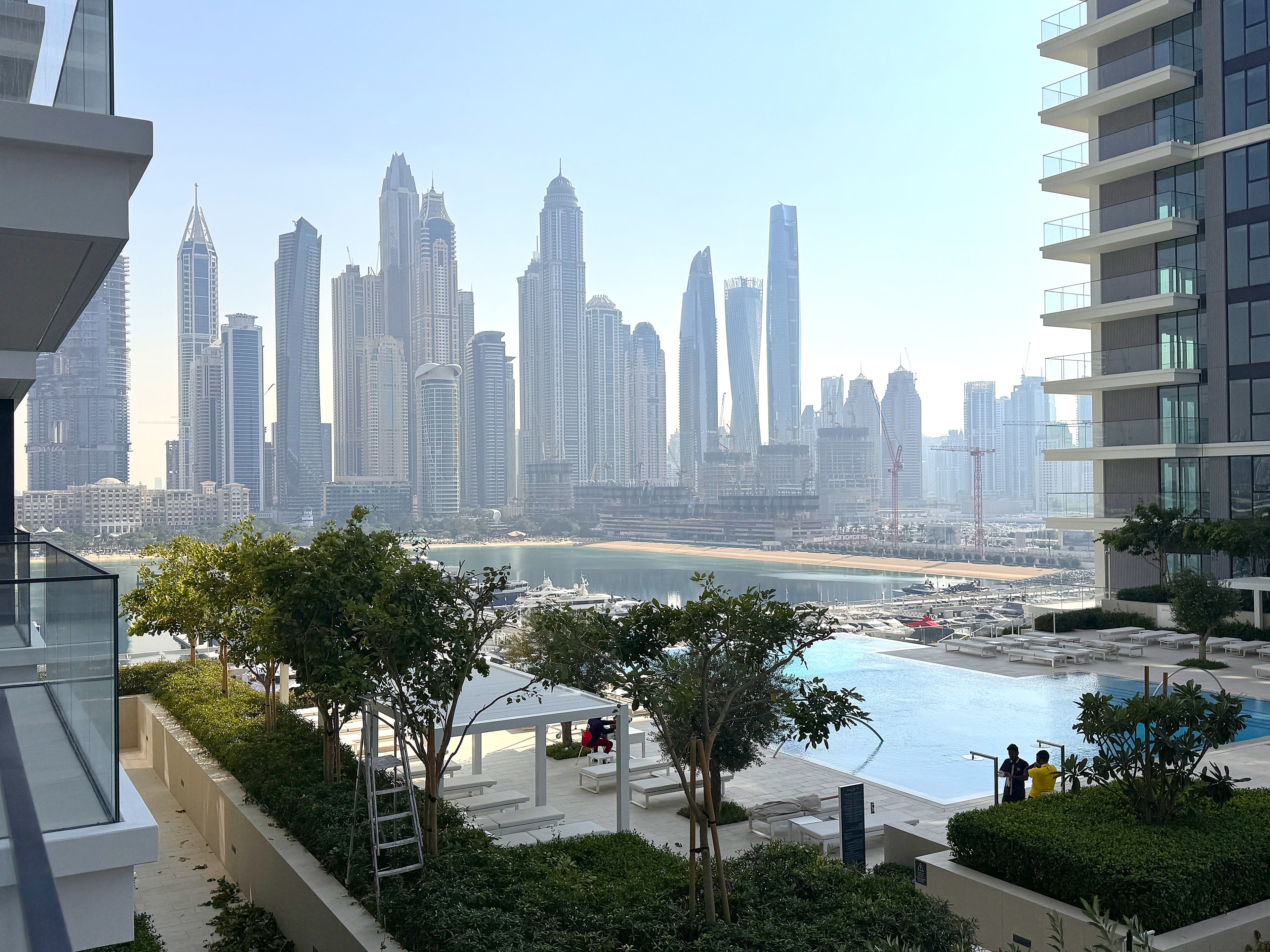
Areas such as Dubai Marina remain among the most popular choices due to their waterfront positioning and strong appeal among expatriates. Properties here are frequently used for both long-term and short-term rentals.
Palm Jumeirah represents the luxury segment of the market, offering exclusivity and premium rental potential. Although entry prices are higher, this area is often associated with long-term capital growth.
Business Bay continues to develop as a central hub for professionals, combining residential and commercial spaces in a strategic location near Downtown Dubai.
For investors focused on yield, Jumeirah Village Circle provides a more accessible entry point and strong rental demand, particularly among young professionals and families.
Each of these areas supports a different investment strategy, making it essential to align location with financial objectives.
Off-Plan vs Ready Properties
When investing in Dubai real estate, choosing between off-plan and ready properties is a fundamental decision that impacts both risk and return.
Off-plan properties are purchased directly from developers before completion. These investments often come with lower entry prices and flexible payment plans, making them attractive for investors seeking capital appreciation. However, they also involve certain risks related to construction timelines and market conditions.
Ready properties, by contrast, are completed units that allow investors to generate immediate rental income. They offer greater certainty in terms of valuation and performance but typically require a higher upfront investment.
A balanced strategy often involves combining both types of assets, allowing investors to benefit from income stability while maintaining exposure to growth opportunities.
The Real Costs Behind Investing in Dubai Real Estate
Understanding the full cost structure is essential when investing in Dubai real estate, as it directly affects overall profitability.
The Dubai Land Department fee, which is approximately 4% of the property value, represents the largest acquisition cost. This is followed by agency fees, along with administrative and registration expenses.
Ongoing costs include service charges, which vary depending on the development, cover maintenance and operational management.
An important aspect that becomes increasingly relevant over time is how the investment is structured. As portfolios grow, considerations such as cost efficiency and scalability begin to play a more significant role in maximizing returns.
Market Outlook: Is 2026 the Right Time?
The outlook for investing in Dubai real estate in 2026 remains positive, supported by strong demand and continued economic growth.
Official market updates from the Dubai Land Department also show continued activity across Dubai’s real estate sector, reinforcing the importance of using verified market data before making investment decisions.
Population expansion, driven by international migration and business activity, contributes to sustained demand for housing. At the same time, supply in key premium areas remains relatively controlled, supporting price stability.
However, global economic conditions, including interest rates and investor sentiment, can influence market dynamics. While Dubai is increasingly seen as a long-term investment destination, short-term fluctuations should still be considered.
Overall, the market continues to evolve toward maturity, offering more stability than in previous cycles.
Risks to Consider
Despite its advantages, investing in Dubai real estate is not without risk.
Market cycles can lead to fluctuations in property values, particularly during periods of global uncertainty. Off-plan investments carry additional risks related to project delivery and developer reliability.
Liquidity is another factor to consider. While demand is generally strong, certain properties may take longer to sell depending on pricing and location.
One of the most common challenges investors face is overpaying due to insufficient market research. Careful analysis and a strategic approach are essential to avoid this issue.
A Strategic Approach to Investing in Dubai Real Estate
A structured approach is critical for success when investing in Dubai real estate, especially for first-time investors.
The process typically begins with defining clear investment goals, whether focused on rental income or long-term appreciation. This is followed by selecting the right location and property type based on budget and risk tolerance.
Understanding total costs, expected returns, and market dynamics is essential before making a decision. Working with experienced professionals can help reduce risk and improve overall outcomes.
Successful investors in Dubai tend to focus on long-term strategy rather than short-term trends, allowing them to build sustainable and scalable portfolios.
(FAQ) Frequently Asked Questions about investing in Dubai Real Estate
Is investing in Dubai real estate safe?
Dubai has a well-regulated property market with clear legal frameworks, making it a secure environment for investors.
Can foreigners invest in Dubai real estate?
Yes, foreign investors can purchase freehold properties in designated areas with full ownership rights.
What returns can I expect when investing in Dubai real estate?
Rental yields typically range between 6% and 10%, depending on the property and location.
Are there property taxes in Dubai?
Dubai does not impose annual property taxes, which improves overall net returns.
Is off-plan better than ready property?
The answer depends on your strategy. Off-plan properties are suited for capital growth, while ready properties provide immediate income.
What is the minimum investment required?
Entry-level investments generally start from around €120,000, depending on the area and property type.
Investing in Dubai real estate continues to be one of the most attractive opportunities for international investors in 2026. With strong yields, tax advantages, and a growing market, Dubai offers a compelling alternative to traditional real estate destinations.
However, success depends on careful planning, market understanding, and strategic decision-making. Investors who approach the market with a long-term perspective and a clear structure are best positioned to benefit from its ongoing growth.
If you are ready to explore available opportunities, you can browse our latest properties for sale and choose the investment option that best matches your goals.