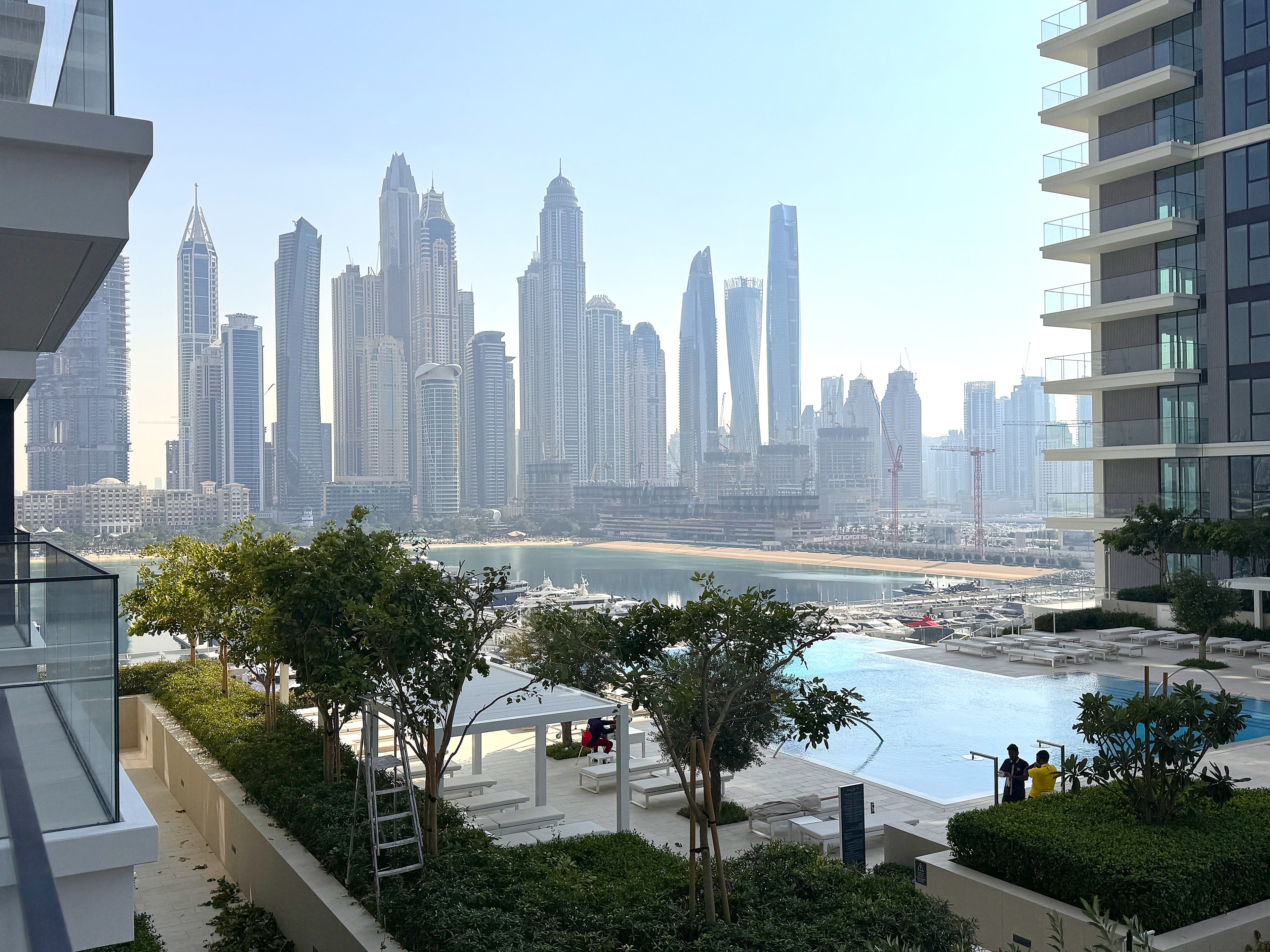
Dubai has become one of the fastest-growing real estate markets in the world, attracting both investors and expatriates. Whether you are a property owner or considering investing in Dubai real estate, understanding the difference between short-term and long-term rentals is crucial to maximize your returns.
What Are Short-Term Rentals in Dubai?
Short-term rentals, also known as vacation or holiday rentals, typically last from a few days to a few weeks. Properties in Dubai Marina, Downtown Dubai, or Palm Jumeirah are popular choices for short-term rentals due to their proximity to tourist attractions, restaurants, and business hubs.
Advantages of Short-Term Rentals:
● Higher Rental Yields: On average, short-term rentals in Dubai can earn 7%–9% annual returns, sometimes even higher in premium locations.
● Flexibility: Owners can adjust pricing according to demand, peak seasons, or events.
● Target International Guests: Dubai’s global tourism ensures a constant flow of visitors.
Challenges:
● Higher Management Costs: Cleaning, furnishing, and property maintenance are recurring expenses.
● Vacancy Risks: Returns can fluctuate during off-peak seasons.
What Are Long-Term Rentals in Dubai?
Long-term rentals typically refer to leases of one year. These are often preferred by expatriates, professionals, or families moving to Dubai. Areas like Jumeirah Village Circle (JVC), Business Bay, Meydan, Dubai Land, and Arjan are popular for long-term rentals due to their affordability, accessibility, and growing infrastructure. These neighborhoods attract expatriates, professionals, and families looking for convenient living options with easy access to schools, shopping, and transport links.
Advantages of Long-Term Rentals:
● Stable Income: Monthly rent is guaranteed, providing consistent cash flow.
● Lower Management Effort: Fewer turnovers mean less work for property owners.
● Predictable ROI: Easier to calculate annual returns without seasonal fluctuations.
Challenges:
● Lower Yields Compared to Short-Term Rentals: Long-term rentals generally offer 5%–6% annual returns.
● Less Flexibility: Rent prices are often fixed for the duration of the lease.
Key Factors Affecting Profitability
- Location: Premium areas attract higher short-term rental rates, while family-friendly neighborhoods suit long-term tenants.
- Property Type: Villas and luxury apartments tend to earn more with short-term rentals, whereas studios and one-bedroom apartments are ideal for long-term tenants.
- Market Demand: Tourism peaks, international events, and economic cycles influence occupancy rates and rental income.
Which Is More Profitable in Dubai?
The answer depends on your investment strategy:
● Short-term rentals offer higher yields but require active management and carry seasonal risks.
● Long-term rentals provide stable income, lower maintenance, and less risk, but usually lower returns.
For investors aiming to maximize returns in Dubai, focusing on the right property type and location is key. Choosing premium areas for short-term rentals or family-friendly neighborhoods for long-term leases can help ensure consistent occupancy and higher profitability throughout the year.